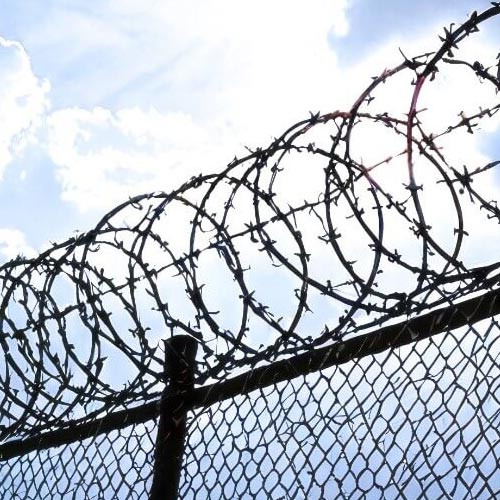
Walk along a farm perimeter or a factory compound two years after installation, and you can tell right away if the contractor cut corners on wire quality. Cheap, untested coils sag between posts, snap under winter tension, and turn orange with rust after just two rainy seasons. Trusted Fencing Wire Manufacturers treat every coil leaving the mill like a long-term security barrier rather than bulk scrap metal. They test raw steel rods before drawing them down to size so the finished wire holds steady tension without stretching or breaking when crews pull it tight. When boundary fencing stays taut and rust-free for fifteen years, landowners save huge money on endless patch repairs. Good perimeter protection starts inside the testing lab long before a single truck rolls out the factory gate.
Many local suppliers sell wire that looks thick in the bundle, yet measures thinner than promised once you put a micrometer on the strand. If the steel core is too soft, cattle or intruders can push through easily; if it is overly brittle, strands snap right at the twist knots during installation. Careful Fencing Wire Manufacturers run tensile pull tests and gauge checks on every production lot so diameter and breaking strength match exact order specs.
Quality inspectors on the dispatch floor usually verify a few core physical numbers first:
Standard bare steel begins rusting within days when exposed to morning dew, coastal salt air, or humid monsoon downpours. A thin flash of zinc looks shiny inside a warehouse, yet wears away quickly once wind and rain hit the open field. Experienced Welded Mesh Fence Manufacturers and wire mills run strict coating weight checks—measured in grams per square meter—to confirm that hot-dip galvanized or zinc-aluminum layers bond deeply into the steel surface. Smooth, lump-free zinc coverage stops rust from creeping underneath the skin and keeps boundary lines clean for years.
For high-security warehouses, solar parks, and highway borders, rigid mesh panels offer cleaner lines and stronger climb resistance than loose strands alone. However, a mesh panel is only as strong as the tiny spot welds holding the horizontal and vertical wires together. Reliable Welded Mesh Fence Manufacturers test sample panels on shear rigs to ensure individual weld joints withstand heavy impact without popping apart. Clean, controlled electrical resistance welding also prevents burn marks that weaken surrounding steel or invite early rust at wire intersections.
Unloading a truckload of tangled, poorly strapped wire coils or bent mesh panels wastes hours of crew labor on a busy construction site. Established suppliers like Tirupati Fence Products Pvt. Ltd. bundle coils with heavy steel strapping, wrap vulnerable edges, and tag every batch with clear gauge and coating specs. When site engineers can trace every bundle back to its mill test report and unload panels without bent corners, fence erection moves twice as fast.
Project buyers managing large boundary orders usually follow a few practical habits:
Winning a fencing contract on razor-thin margins disappears fast if a client inspector rejects half your coils at the site gate for low zinc weight or loose welds. Leading Fencing Wire Manufacturers catch gauge drift, weak spots and surface defects inside the plant before trucks ever hit the highway. That discipline protects both the contractor's reputation and the landowner's property from premature boundary failure.
Buying dependable perimeter wire and mesh comes down to verifying real test numbers rather than trusting shiny sample pieces in a sales office. When accurate steel gauge, heavy zinc coating, and strong weld joints come together, fences stand straight through decades of harsh weather. Checking paperwork and physical samples before dispatch will surely prevent site delays and early rust headaches.
Take these three simple steps before clearing your next bulk fencing shipment:
Tirupati Fence Products Pvt. Ltd. supplied sturdy fence posts that held up well in harsh weather. The product quality and customer service went beyond my expectations. Highly recommended for future projects.

We installed ground fencing from Tirupati Fence Products Pvt. Ltd., and it’s both durable and visually appealing. The team was very helpful and ensured timely delivery and installation.

The concertina wire from Tirupati Fence Products Pvt. Ltd. ensured excellent security for our site. Strong, sharp, and reliable, it’s exactly what we needed. Delivery and service were prompt and efficient.

Tirupati Fence Products Pvt. Ltd. provided top-quality gabions that perfectly stabilized our retaining walls. Durable materials and smooth installation made the process easy. Their professionalism and support were outstanding.

Tirupati Fence Products Pvt. Ltd. provided strong and reliable border fencing for our farm. The fencing endured tough weather, and the team handled delivery professionally. Great experience overall.